facing bricks
Brick Veneers
Clay Pavers
Garden & Landscape
Others
Everlasting Beauty Created from Nature
Captures the authentic earthy tones and characteristics of burnt clay. The unique and natural style of this range of products displays some of the most delicate features of burnt clay. It allows you to design your home to harmonize with the surroundings and yet endure with timeless charm and elegance.
Specifications
Dimension
215(L) x 100(W) x 67(H) mm
Weight
2.30 kg/pc
Compressive Strength
> 45 N/mm2
Water Absorption
< 10%
Smoothface Facing Bricks
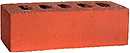
1SF-02
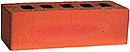
1SF-02S
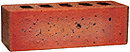
1SF-02KS
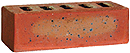
1SF-02KA
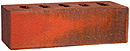
1SF-02KSS
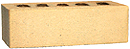
1SF-15
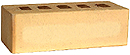
1SF-15S
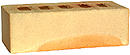
1SF-15KSS
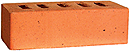
1SF-16
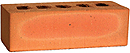
1SF-16S
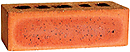
1SF-16KA
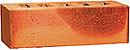
1SF-16KSS
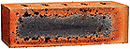
1SF-16KSD
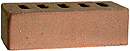
1SF-40
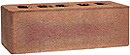
1SF-40KS
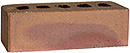
1SF-40KSS
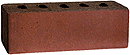
1SF-43
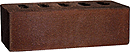
1SF-44
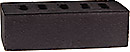
1SF-49
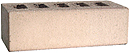
1SF-54
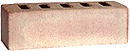
1SF-54S
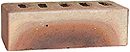
1SF-54KSS
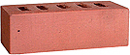
1SF-67
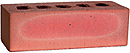
1SF-67S
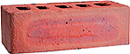
1SF-67KS
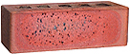
1SF-67KA
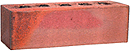
1SF-67KSS
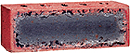
1SF-67KSD
Smoothface Cottage Facing Bricks
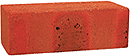
11SF-02
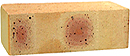
11SF-15
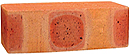
11SF-16
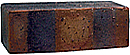
11SF-43
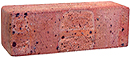
11SF-67
The Distintive Features of Claybricks' Products
Claybricks produces all its products in its state-of-the-art factory using finest clay and under stringent quality control to achieve the highest quality.
Distinctive and Weathered Texture Evokes the Architecture of Historic Glory
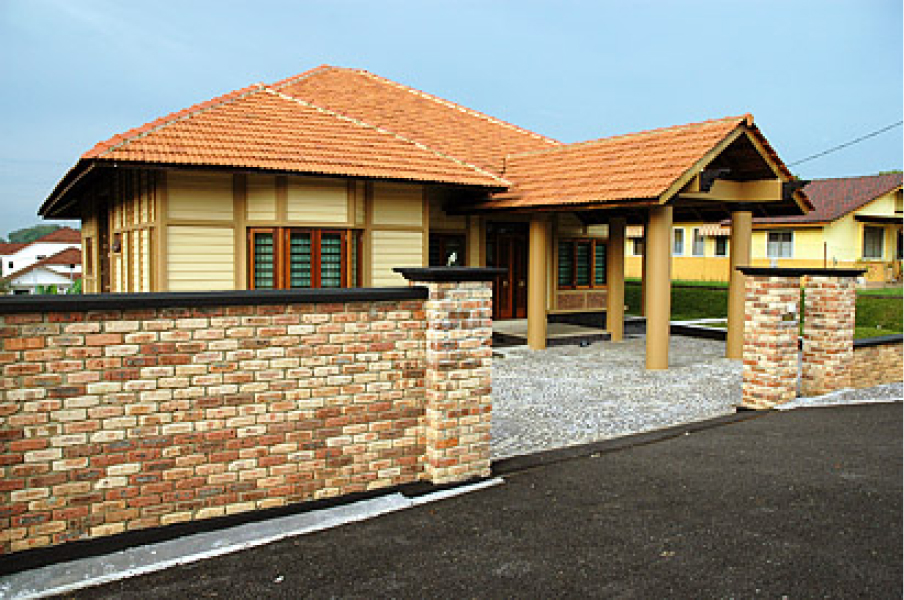
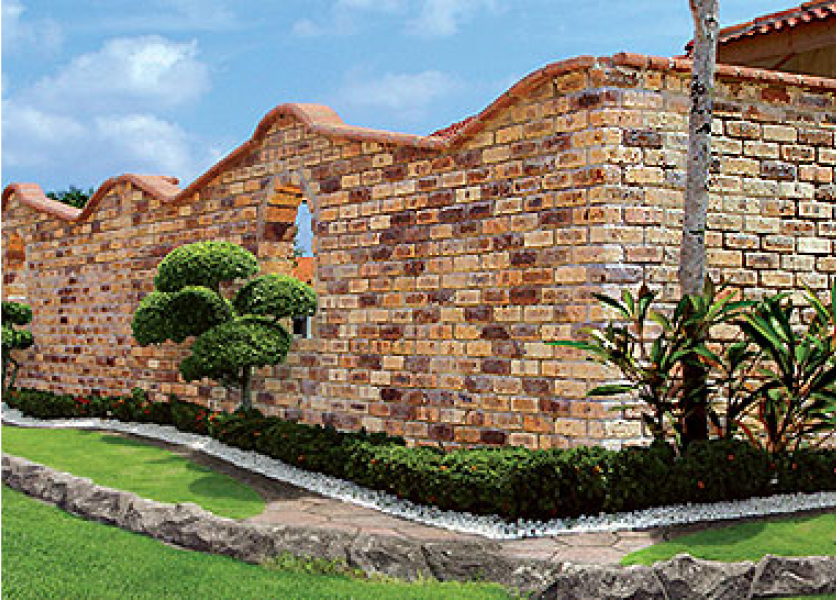
One of the greatest assets of brick is its natural beauty that mellows with time. This antique feature is reproduced here with the Sandblast Bricks collection. This collection gives your home a look of old charm yet retains the richness of authentic burnt clay colors.
Specifications
Dimension
215(L) x 100(W) x 67(H) mm
Weight
2.30 kg/pc
Compressive Strength
> 45 N/mm2
Water Absorption
< 10%
Sandblast Facing Bricks
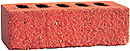
1SB-02
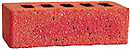
1SB-02S
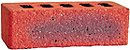
1SB-02KS
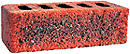
1SB-02KA
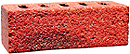
1SB-02KSS
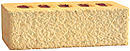
1SB-15
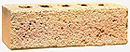
1SB-15S
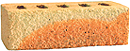
1SB-15KSS
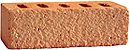
1SB-16
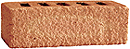
1SB-16S
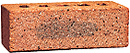
1SB-16KS
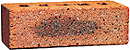
1SB-16KA
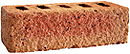
1SB-16KSS
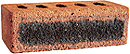
1SB-16KSD
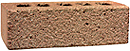
1SB-40
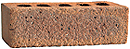
1SB-40S
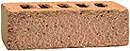
1SB-40KS
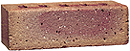
1SB-40KSS
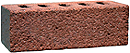
1SB-43
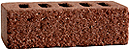
1SB-44
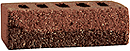
1SB-44KSS
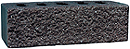
1SB-49
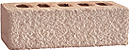
1SB-54
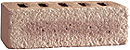
1SB-54S
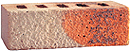
1SB-54KSS
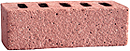
1SB-67
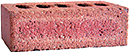
1SB-67S
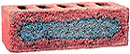
1SB-67KS
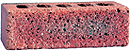
1SB-67KA
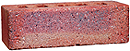
1SB-67KSS
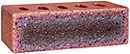
1SB-67KSD
Sandblast Cottage Facing Bricks
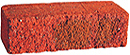
11SB-02
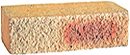
11SB-15
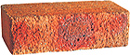
11SB-16
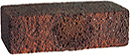
11SB-43
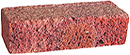
11SB-67
The Distintive Features of Claybricks' Products
Claybricks produces all its products in its state-of-the-art factory using finest clay and under stringent quality control to achieve the highest quality.
Timeless Beauty Inspired by the Rugged Character of Natural Stone and Rock
Rockface Bricks feature an unique variation of distinctive characters to satisfy your every whim and imagination in realizing your dream home. Inspired by the rugged character of natural rock and stone, Rockface Bricks collection reproduces the original and natural beauty of the rugged look of rock.
Specifications
Dimension
215(L) x ~90(W) x 67(H) mm
Weight
2.0 kg/pc
Compressive Strength
> 45 N/mm2
Water Absorption
< 10%
Rockface Facing Bricks
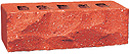
1RF-02
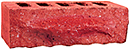
1RF-02S
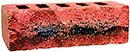
1RF-02KS
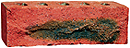
1RF-02KSS
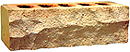
1RF-15
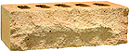
1RF-15S
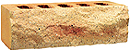
1RF-15KS
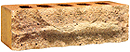
1RF-15KA
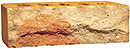
1RF-15KSS
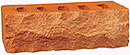
1RF-16
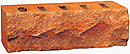
1RF-16S
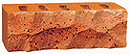
1RF-16KS
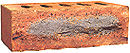
1RF-16KA
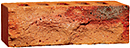
1RF-16KSS
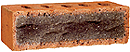
1RF-16KSD
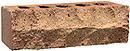
1RF-40
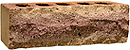
1RF-40S
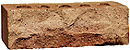
1RF-40KSS
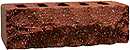
1RF-43
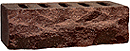
1RF-44
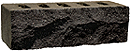
1RF-49
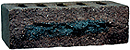
1RF-49KS
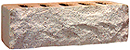
1RF-54
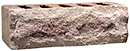
1RF-54S
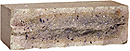
1RF-54KS
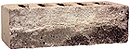
1RF-54KSS
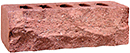
1RF-67
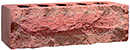
1RF-67S
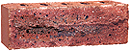
1RF-67KS
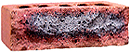
1RF-67KA
Rockface Cottage Facing Bricks
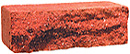
11RF-02
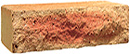
11RF-15
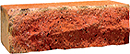
11RF-16
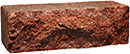
11RF-43
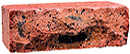
11RF-67
The Distintive Features of Claybricks' Products
Claybricks produces all its products in its state-of-the-art factory using finest clay and under stringent quality control to achieve the highest quality.
Give Your Home a Delicate Touch of the Charm of Old Days
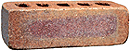
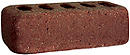
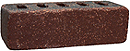
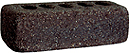
This collection is specially crafted to highlight the features of aged brickwork. Cobble Bricks have a neat weathered apearance with irregular texture and soft edges. Ranging from bold to subdued in a variety of colors, they complement to almost any architectural design, be it traditional or contemporary, home building or landscaping.
Specifications
Dimension
215(L) x 100(W) x 67(H) mm
Weight
2.30 kg/pc
Compressive Strength
> 45 N/mm2
Water Absorption
< 10%
Cobble Facing Bricks
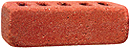
1CB-02
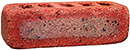
1CB-02KA
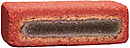
1CB-02KSD
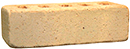
1CB-15
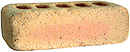
1CB-15S
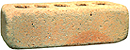
1CB-15KSS
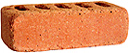
1CB-16
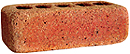
1CB-16S
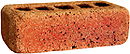
1CB-16KS
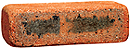
1CB-16KA
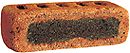
1CB-16KSD
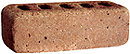
1CB-40
1CB-40S
1CB-43
1CB-44
1CB-49
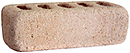
1CB-54
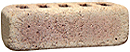
1CB-54S
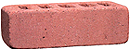
1CB-67
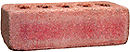
1CB-67S
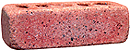
1CB-67KS
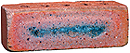
1CB-67KA
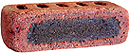
1CB-67KSD
Cobble Cottage Facing Bricks
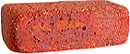
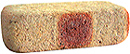
11CB-02
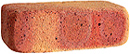
11CB-15
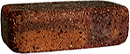
11CB-16
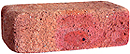
11CB-43
11CB-67
The Distintive Features of Claybricks' Products
Claybricks produces all its products in its state-of-the-art factory using finest clay and under stringent quality control to achieve the highest quality.
Bring Your Home a Look of Old Charm
Brick has much more features than what people have in mind. For example, one of its special features is its enduring beauty that mellows with time. This line of new products is especially crafted to reproduce the unique features of aged brickwork.
Specifications
Dimension
215(L) x 100(W) x 67(H) mm
Weight
2.30 ~ 2.50 kg/pc
Compressive Strength
> 45 N/mm2
Water Absorption
< 12%
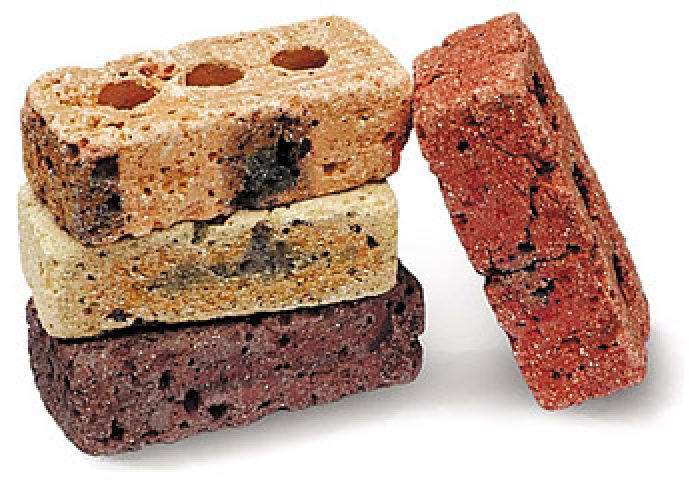
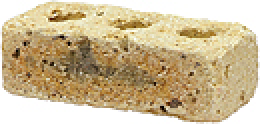
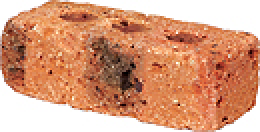
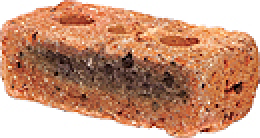
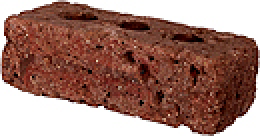
Antique Facing Bricks
Characteristics:
- Unique eroded appearance blended with distinct tones in every single piece of brick.
- Antique texture promises to add new element to your design to express the charm of an ancient brick house.
- Reminiscences the look of century old building, yet retains the richness of authentic burnt clay color.
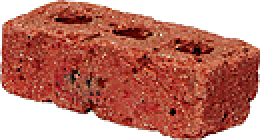
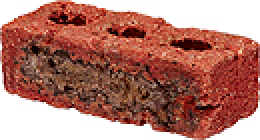
1TB-02 ATQ1
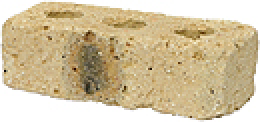
1TB-15 ATQ1
1TB-16 ATQ1
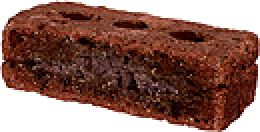
1TB-43 ATQ1
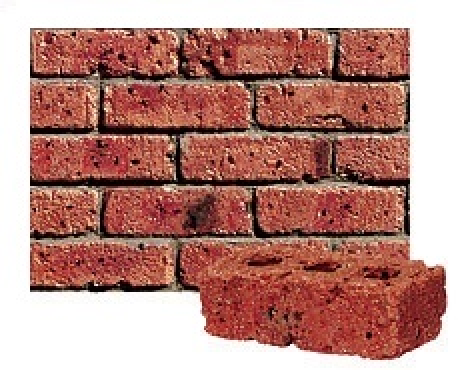
1tb-02-atq1
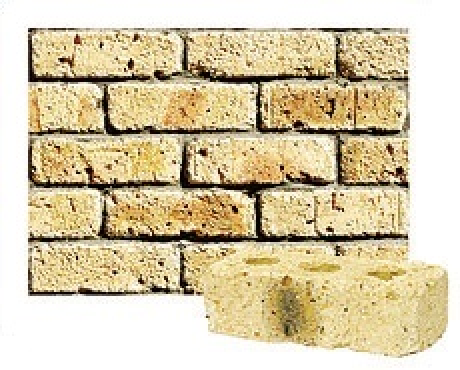
1tb-15-atq1
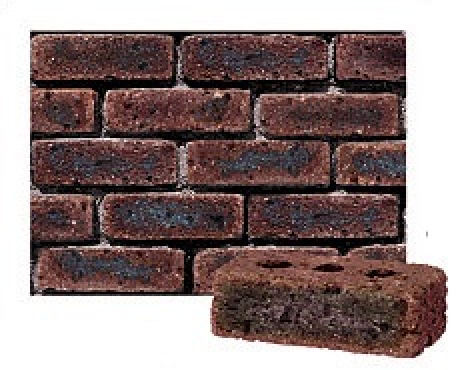
1tb-43-atq1
* Other colors are also available. Please refer to the main Products page.
The Distintive Features of Claybricks' Products
Claybricks produces all its products in its state-of-the-art factory using finest clay and under stringent quality control to achieve the highest quality.
Make Your Dream Home a Reality
We invite you to discover a new range of brick veneers with polished texture, extra variety, and rich tone. With them, you can create the most striking effect of color combinations of burnt clay in its natural tones and shades.
Specifications
Dimension
215(L) x 67(W) x 10(H) mm
Weight
0.22 kg/pc
Water Absorption
< 10%
Traditional Smoothface Brick Veneers
4SF139-02
4SF139-02S
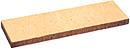
4SF139-15
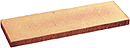
4SF139-15S
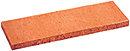
4SF139-16
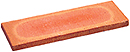
4SF139-16S
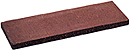
4SF139-43
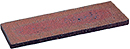
4SF139-43S
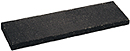
4SF139-49
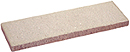
4SF139-54
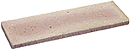
4SF139-54S
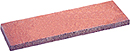
4SF139-67
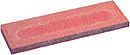
4SF139-67S
Smoothface Sliced Brick Veneers
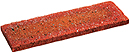
41SV139-02
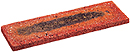
41SV139-02S
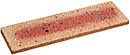
41SV139-15
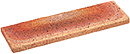
41SV139-15S
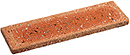
41SV139-16
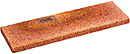
41SV139-16S
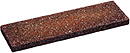
41SV139-43
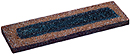
41SV139-43S
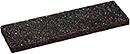
41SV139-49
41SV139-49S
41SV139-67
41SV139-67S
The Distintive Features of Claybricks' Products
Claybricks produces all its products in its state-of-the-art factory using finest clay and under stringent quality control to achieve the highest quality.
Enhance Your Home with a Look of Old Charm
One of the greatest assets of brick is its natural beauty that mellows with time. This antique feature is reproduced here with the Sandblast Brick Veneers collection. It gives you the reminiscent of the look of a century old building, yet retains the richness and authenticity of burnt clay colors in contemporary designs.
Specifications
Dimension
215(L) x 67(W) x 10(H) mm
Weight
0.22 kg/pc
Water Absorption
< 10%
Traditional Sandblast Brick Veneers
4SB139-02
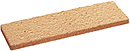
4SB139-15
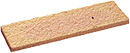
4SB139-15S
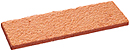
4SB139-16
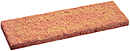
4SB139-16S
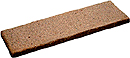
4SB139-40
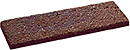
4SB139-43
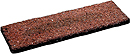
4SB139-43S
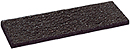
4SB139-49
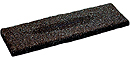
4SB139-49S
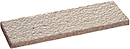
4SB139-54
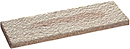
4SB139-54S
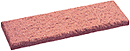
4SB139-67
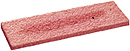
4SB139-67S
Sandblast Sliced Brick Veneers
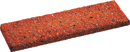
41SB139-02
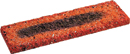
41SB139-02S
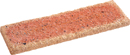
41SB139-15
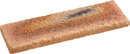
41SB139-15S
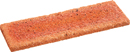
41SB139-16
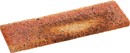
41SB139-16S
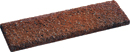
41SB139-43
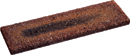
41SB139-43S
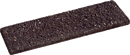
41SB139-49
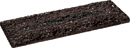
41SB139-49S
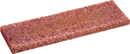
41SB139-67
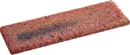
41SB139-67S
The Distintive Features of Claybricks' Products
Claybricks produces all its products in its state-of-the-art factory using finest clay and under stringent quality control to achieve the highest quality.
Timeless Beauty Inspired by the Rugged Character of Rock and Stone
The soft and rugged texture of this collection gives character to any home whilst maintains a strong and solid look. It compliments to any surroundings.
Specifications
Dimension
215(L) x 67(W) x ~22(H) mm
Weight
~0.50 kg/pc
Water Absorption
< 10%
Rockface Sliced Brick Veneers
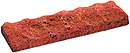
41RSV139-02
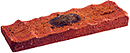
41RSV139-02S
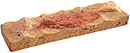
41RSV139-15
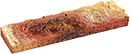
41RSV139-15S
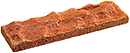
41RSV139-16

41RSV139-16S
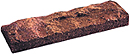
41RSV139-43
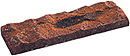
41RSV139-43S
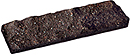
41RSV139-49
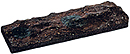
41RSV139-49S
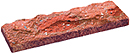
41RSV139-67
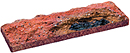
41RSV139-67S
Rockface Sandblast Sliced Brick Veneers
41RSB139-02
41RSB139-02S
41RSB139-15
41RSB139-15S
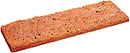
41RSB139-16
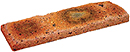
41RSB139-16S
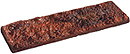
41RSB139-43
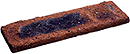
41RSB139-43S
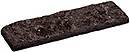
41RSB139-49
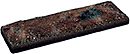
41RSB139-49S
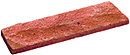
41RSB139-67
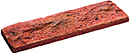
41RSB139-67S
Rockface Sandblast Brick Veneers
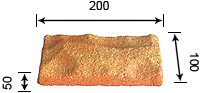
4RSB248A-16
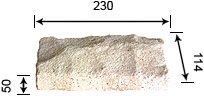
4RSB259-54
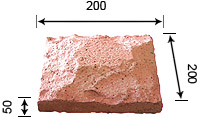
4RSB288-67
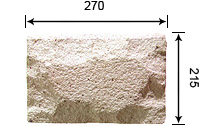
4RSB2911-54
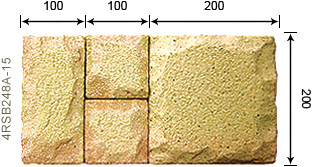
41RSB139-02
* Other colors are also available. Please refer to the main Products page.
The Distintive Features of Claybricks' Products
Claybricks produces all its products in its state-of-the-art factory using finest clay and under stringent quality control to achieve the highest quality.
Specially Crafted to Highlight the Features of Aged Brickwork
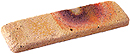
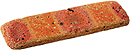
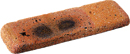
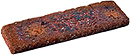
Cobble Brick Veneers have a neat eroded appearance with a subtle texture and round edges. Ranging from bold to subdued in a variety of colors, they complement to almost all architectural design, be it traditional or contemporary, home building or landscaping.
Specifications
Dimension
215(L) x 67(W) x ~22(H) mm
Weight
0.46 kg/pc
Water Absorption
< 10%
Cobble Cottage Sliced Brick Veneers
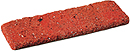
41CB139-02
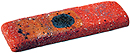
41CB139-02S
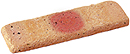
41CB139-15
41CB139-15S
41CB139-16
41CB139-16S
41CB139-43
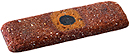
41CB139-43S
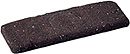
41CB139-49
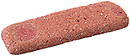
41CB139-67
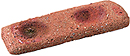
41CB139-67S
Cobble Sliced Brick Veneers
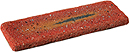
41CBSV139-02S
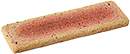
41CBSV139-15S
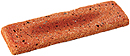
41CBSV139-16S
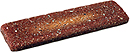
41CBSV139-43S
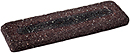
41CBSV139-49S
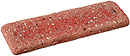
41CBSV139-67
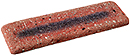
41CBSV139-67S
The Distintive Features of Claybricks' Products
Claybricks produces all its products in its state-of-the-art factory using finest clay and under stringent quality control to achieve the highest quality.
Live in with the Fascinating Charm of Natural Colors and Exquisite Styles
Capture the authentic earthy tones and characteristics of burnt clay.
Specifications
Dimension
215(L) x 67(W) x ~22(H) mm
Weight
0.46 ~ 0.50 kg/pc
Water Absorption
< 10%
Wirecut Antique Brick Veneers
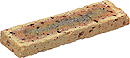
4WC139-15-ATQ1
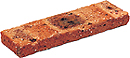
4WC139-16-ATQ1
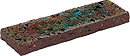
4WC139-43-ATQ1
* Other colors are also available. Please refer to the main Products page.
The Distintive Features of Claybricks' Products
Claybricks produces all its products in its state-of-the-art factory using finest clay and under stringent quality control to achieve the highest quality.
CLAYBRICKS' brick veneer is a relatively new product which is seeing increasing popularity in commercial, residential and do-it-yourself markets. Brick veneer is produced from shale or clay and are kiln-fired. These brick veneers are much like facing bricks, except they are approximately 10 to 50mm thick.
1. Introduction
Clay fired bricks have been in used for building for their beauty, warmth, and durability of brick houses for thousand of years. The distinctive features of the traditional brick houses can be reclaimed for the walls that built with plain plastered furnishes or other alternative materials by replacing with brick veneers at economical cost.
Brick veneer is a relatively new product which is seeing increasing popularity in commercial, residential and do-it-yourself markets. Brick veneer is produced from shale or clay and are kiln-fired. These brick veneers are much like facing brick, except they are approximately 10 to 50mm thick. The face sizes are normally the same as conventional brick and therefore, when in place, give the appearance of a conventional brick masonry wall.
The selection of brick veneer is based on its colors, textures, and finishes. As with all other fired clay or shale products, color depends on the chemical composition of the raw material, the intensity of firing and controls used in the firing. The color ranges for brick veneer units are as unlimited as those for other fired clay brick. The texture of brick veneer depends on the method of manufacture and the surface treatment used prior to firing or after firing.
Special shapes of thin brick can be used to create sills, cornices, quoins, and other ornament architectural details. While most commonly used for remodeling applications, brick veneers are also used in new construction where the substantial weight of full thickness masonry is a consideration.
Brick veneers from Claybricks are available in various sizes, colors, and textures. The most common size is 215 x 67 x 10mm. Other sizes such as 215 x 135 x 30, 215 x 270 x 30, 215 x 405 x 30 mm, and etc. are also available and suitable for large buildings.
2. Preparing the Right Tools
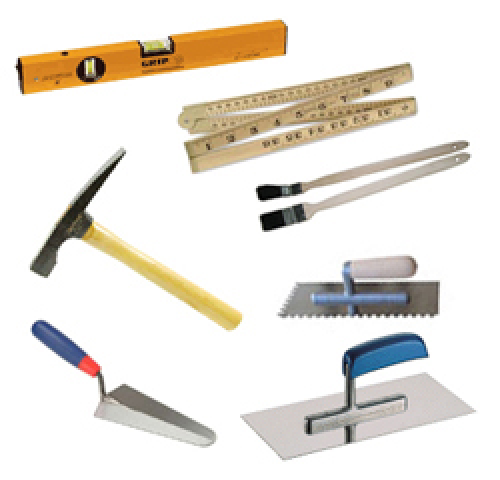
In order to carry our the work simply, quickly, and properly, you will need to acquire the following tools:-
- Spirit level
- Rold rule
- Tooth trowel
- Brick layer's trowel
- Filling trowel
- Painting brush
- Chipping hammer
3. Method of Installation
Brick veneers are being installed using a variety of techniques. Ceramic tile installation techniques are often used to install the brick veneer units. Either at the jobsite or on prefabricated panels or home owners can follow the manual to do-it-yourself easily.
For large scale projects, brick veneer have been placed into forms and cast integrally with concrete, thus providing a very attractive architectural prefabricated panel. Another procedure involves bonding brick veneer to a substrate of convenient size, resulting in small, lightweight, easily installed modular panels.
Below are the procedures that could be used to install brick veneer:-
Step 1
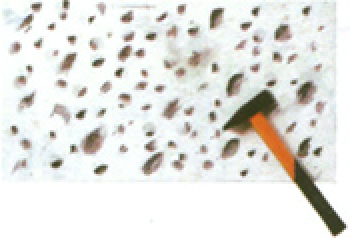
Clear all dirt, oil, grease, or other contaminants and remove all loose plaster, paint and scale on wall. Chip the existing painted wall surfaces with a chipping hammer and brush away all the flaky bits. Ensure that all surfaces are structurally sound.
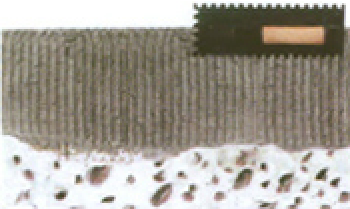
Step 2
Apply a scratch coat to cover and level any uneven wall surfaces if necessary and allow it to set prior to applying the adhesive mortar. Prepare the adhesive mortar according to the manufacturer’s instructions. Be careful that you add appropriate amount of water/latex in order to achieve good workability. Apply the mortar and level with a flat side of a trowel to about 10mm thick, comb the surface with the notched side of the tooth trowel and remove the excess mortar.
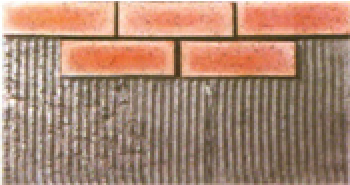
Step 3
Press the brick veneer firmly and evenly onto the wall surface so that the mortar behind the veneer squeezes out around its sides. Use a gentle wiggling action whilst pressing to ensure a strong bond between the veneer and wall surface.
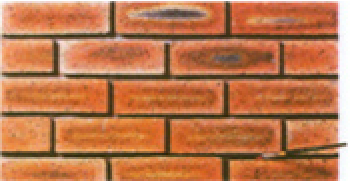
Step 4
Use a small brush (about 8mm diameter and wet constantly) to smooth the mortar in the gaps between the veneers while the mortar is still wet. If you want to grout the joints, use a grouting pallet tool to carefully fill in the joints with mortar. If you prefer colored joints, oxide colorants can be mixed with the mortar. Take care not to dirty the veneer surface as cleaning is a hassle. Use a round or flat pointing tool to finish the joints when the mortar is thumbprint hard. Do not work on the joints too soon or the mortar will smear. Lastly, brush away any loose or excess dry mortar.
4. Advantages of Brick Veneer
Primarily, brick veneer functions as an architectural wall covering that ahs the maintenance-free benefits of conventional brick masonry. Secondly, brick veneer provides some protection to the material over which it is applied.
- Interior brick veneer finishes can be applied by home owner or other moderately skilled craftsmen
- Brick veneer is more durable and can last longer than aluminum, wood, or vinyl sidings
- Prefabrication with brick veneer is easily and economically done
- Better sound and fire resistance properties may be obtained using brick veneer than using other non-masonry sidings
- Brick veneer units are more durable than imitation brick units made from gypsum, cement, or plastics
- Walls built with brick veneer units are lighter in weight than conventional masonry veneer
- Cleanup costs often incurred in conventional brick veneer construction may be reduced
- Year-round installation is possible
- May be used where structural support for conventional brick veneer is not available
So Natural, Solid and Durable
Claybricks' clay pavers are made from the finest clays and shales; and fired to extra high temperature in our state-of-the-art factory under the most stringent quality control. Claybricks' clay pavers represent high standard for quality and reliability that you can trust.
You can create your own pattern/design with all the pavers we have from a wide spectrum of colors and styles. Our pavers are ideal for numerous applications such as landscaping, driveways, footpath, playground, pedestrian malls, & etc.
Specifications
Compressive Strength
> 50 MN/m2
Transverse Strength
> 3 KN (for Thickness of 35mm)
> 4 KN (for Thickness of 50mm)
> 6 KN (for Thickness of 65mm)
Mean Slip/Skip Resistance
> 70BPN
Water Absorption
< 8 %
Frost Resistance
Withstand > 100 Cycles of Test(Classed as FP100 - Freeze / Thaw Resistant)
Special Features :
- Remarkable strength and extremely durable
- Natural beauty of authentic earthy tones and characters
- Non-slip surface with extra high wear resistance
- Low porosity to resist stains and fungus growth
- Highly inert to almost all chemicals
- Permanent color to last a lifetime
- Negligible maintenance
- Easy to install and flexible in application
Product Code Explanation (Example: 3WC259-54)
Clay fired bricks have been in used for building for their beauty, warmth, and durability of brick houses for thousand of years. The distinctive features of the traditional brick houses can be reclaimed for the walls that built with plain plastered furnishes or other alternative materials by replacing with brick veneers at economical cost.
Brick veneer is a relatively new product which is seeing increasing popularity in commercial, residential and do-it-yourself markets. Brick veneer is produced from shale or clay and are kiln-fired. These brick veneers are much like facing brick, except they are approximately 10 to 50mm thick. The face sizes are normally the same as conventional brick and therefore, when in place, give the appearance of a conventional brick masonry wall.
The selection of brick veneer is based on its colors, textures, and finishes. As with all other fired clay or shale products, color depends on the chemical composition of the raw material, the intensity of firing and controls used in the firing. The color ranges for brick veneer units are as unlimited as those for other fired clay brick. The texture of brick veneer depends on the method of manufacture and the surface treatment used prior to firing or after firing.
Special shapes of thin brick can be used to create sills, cornices, quoins, and other ornament architectural details. While most commonly used for remodeling applications, brick veneers are also used in new construction where the substantial weight of full thickness masonry is a consideration.
Brick veneers from Claybricks are available in various sizes, colors, and textures. The most common size is 215 x 67 x 10mm. Other sizes such as 215 x 135 x 30, 215 x 270 x 30, 215 x 405 x 30 mm, and etc. are also available and suitable for large buildings.
| Type (3) | Texture (WC) | Dimension, mm (259) | Color (54) | Weight (kg/pc) |
|---|---|---|---|---|
| 3 or 31 - Paver | WC - Wirecut | 159 - 230 x 114 x 3 | 502 - Super Red | 1.85 |
| 4 or 41 - Veneer | SB - Sandblast | 259 - 230 x 114 x 50 | 15 - Golden Cream | 2.62 |
| 1 or 11 - Brick | CB - Cobble | 359 - 230 x 114 x 65 | 16 - Golden Peach | 3.40 |
| TB - Tumble | 148A - 200 x 100 x 35 | 40 - Golden Sand | 1.4 | |
| 248A - 200 x 100 x 50 | 43 - Golden Brown | 2.0 | ||
| 348A - 200 x 100 x 65 | 44 - brown | 2.6 | ||
| 144A - 100 x 100 x 35 | 49 - Dark brown | 0.7 | ||
| 244A - 100 x 100 x 50 | 54 - granite | 1.0 | ||
| 344A - 100 x 100 x 50 | 67 - Lavendar | 1.3 | ||
| 188 - 200 x 200 x 35 | 2.8 | |||
| 288 - 200 x 200 x 50 | 4.0 | |||
| 388 - 200 x 200 x 65 | 5.2 |
Sample Color Chart

02

15

16

43

49

54

67
* Colors displayed here and thereafter are adjusted as close to the natural color as the display will allow.
The Distintive Features of Claybricks' Products
Claybricks produces all its products in its state-of-the-art factory using finest clay and under stringent quality control to achieve the highest quality.
Give You an Aesthetic Appeal that Exudes Warmth and Elegance to Your Landscape
The varieties of natural colors and all of the enduring qualities of burnt clay give you an aesthetic appeal that exudes warmth and elegance to your landscape. The high wear-resistant wirecut surface texture offers a non-slip performance with minimum maintenance.
Specifications
Compressive Strength
> 50 MN/m2
Transverse Strength
> 3 KN (for Thickness of 35mm)
> 4 KN (for Thickness of 50mm)
> 6 KN (for Thickness of 65mm)
Mean Slip/Skip Resistance
> 70BPN
Water Absorption
< 8 %
Frost Resistance
Withstand > 100 Cycles of Test(Classed as FP100 - Freeze / Thaw Resistant)
Wirecut Clay Pavers

3WC244A-02

3WC244A-15

3WC244A-16

3WC244A-40

3WC244A-43

3WC244A-49

3WC244A-54

3WC244A-67

3WC259-02

3WC259-15

3WC259-16

3WC259-40

3WC259-43

3WC259-49

3WC259-54

3WC259-67

3WC288-02

3WC288-15

3WC288-16

3WC288-40

3WC288-43

3WC288-49

3WC288-54

3WC288-67
The Distintive Features of Claybricks' Products
Claybricks produces all its products in its state-of-the-art factory using finest clay and under stringent quality control to achieve the highest quality.
Give a Weathered and Rustic Appearance to Your Landscape
Blends with the richness of earthy colors, the sandblast texture pavers give a weathered and rustic appearance to your landscape. They are ideal for applications where extra slip resistance requirement is needed.
Specifications
Compressive Strength
> 50 MN/m2
Transverse Strength
> 3 KN (for Thickness of 35mm)
> 4 KN (for Thickness of 50mm)
> 6 KN (for Thickness of 65mm)
Mean Slip/Skip Resistance
> 70BPN
Water Absorption
< 8 %
Frost Resistance
Withstand > 100 Cycles of Test(Classed as FP100 - Freeze / Thaw Resistant)
Sandblast Clay Pavers

3SB244A-02

3SB244A-15

3SB244A-16

3SB244A-40

3SB244A-43

3SB244A-49

3SB244A-54

3SB244A-67

3SB259-02

3SB259-15

3SB259-16

3SB259-40

3SB259-43

3SB259-49

3SB259-54

3SB259-67

3SB288-02

3SB288-15

3SB288-16

3SB288-40

3SB288-43

3SB288-49

3SB288-54

3SB288-67
The Distintive Features of Claybricks' Products
Claybricks produces all its products in its state-of-the-art factory using finest clay and under stringent quality control to achieve the highest quality.
Lend You the Recollection of the Beauty of Historical Relics
Our Cobble Pavers give a renaissance of the look of an ancient stone paved street. The gentle, worn finishes lend you the recollection of the beauty of historical relics. It adds an old world charm and a lasting beauty to any paving application.
Specifications
Compressive Strength
> 50 MN/m2
Transverse Strength
> 3 KN (for Thickness of 35mm)
> 4 KN (for Thickness of 50mm)
> 6 KN (for Thickness of 65mm)
Mean Slip/Skip Resistance
> 70BPN
Water Absorption
< 9 %
Frost Resistance
Withstand > 100 Cycles of Test(Classed as FP100 - Freeze / Thaw Resistant)
Cobble Clay Pavers

3CB244A-02

3CB244A-15

3CB244A-16

3CB244A-40

3CB244A-43

3CB244A-49

3CB244A-54

3CB244A-67

3CB259-02

3CB259-15

3CB259-16

3CB259-40

3CB259-43

3CB259-49

3CB259-54

3CB259-67
Cobble Cottage Clay Pavers

31CB248A-02

31CB248A-15

31CB248A-16

31CB248A-43

31CB248A-67
The Distintive Features of Claybricks' Products
Claybricks produces all its products in its state-of-the-art factory using finest clay and under stringent quality control to achieve the highest quality.
Give You an Aesthetic Appeal that Exudes Warmth and Elegance to Your Landscape
The varieties of natural colors and all of the enduring qualities of burnt clay give you an aesthetic appeal that exudes warmth and elegance to your landscape. The high wear-resistant wirecut surface texture offers a non-slip performance with minimum maintenance.
Specifications
Compressive Strength
> 50 MN/m2
Transverse Strength
> 3 KN (for Thickness of 35mm)
> 4 KN (for Thickness of 50mm)
> 6 KN (for Thickness of 65mm)
Mean Slip/Skip Resistance
> 70BPN
Water Absorption
< 10 %
Frost Resistance
Withstand > 100 Cycles of Test(Classed as FP100 - Freeze / Thaw Resistant)
Antique Clay Pavers

3TB248A-02 ATQ1

3TB248A-15 ATQ1

3TB248A-43 ATQ1

3TB288A-02 ATQ1

3TB288A-15 ATQ1

3TB288A-43 ATQ1
* Other colors are also available. Please refer to the main Products page.
The Distintive Features of Claybricks' Products
Claybricks produces all its products in its state-of-the-art factory using finest clay and under stringent quality control to achieve the highest quality.
The bonding pattern and its direction are important both to the visual appearance and the functional performance of the paved area. It is therefore crucial that bonding pattern be considered at the design phase of the project. The use of two or more contrasting colors within the paved area presents further design opportunities, and can highlight the chosen bond pattern.
For your reference, below are some of the most common laying patterns applying to landscape, driveway, and pedestrian walkway.

Basketweave 2x1

Basketweave 2x2

Tracery Bond

45°C Herringbone

90°C Herringbone

Stretcher Bond

Variegated Bond 1

Variegated Bond 2

Stack Bond 1

Stack Bond 2

Running Bond 1

Running Bond 2

Running Bond 3

Circular Bond
The Distintive Features of Claybricks' Products
Claybricks produces all its products in its state-of-the-art factory using finest clay and under stringent quality control to achieve the highest quality.
The varieties of natural colors and all of the enduring qualities of burnt clay give you an aesthetic appeal that exudes warmth and elegance to your landscape. The high wear-resistant wirecut surface texture offers a non-slip performance with minimum maintenance.
1. Installation of Clay Flexible Pavements
Flexible pavement is typically the most economical paving system because it is simple to install and involves less labor and fewer materials. Applications for flexible pavement cover a wide area, ranging from residential patios to city streets.
The thickness of each layer in a flexible pavement depends upon the imposed loads and the properties of each layer. A pavement subject to heavy vehicular traffic requires a thicker base than a pavement subject to pedestrian traffic.
Pathway

Fig. 1. Flexible Pavement of Sand Base
Driveway

Fig. 2. Flexible Pavement on Aggregate Base
Pathway
Figure 1 is a typical example of pathway for pedestrian application. The clay pavers are laid directly on the compacted sand and sub-grade. This application works best when the sub-grade is compacted. A geo-textile can be used beneath the sand base where the soil conditions are poor.
Driveway
Figure 2 shows the laying structure of pavement for driveway. Many commercial pedestrian and vehicular applications can use this type of assembly. Pavements subjected to vehicular traffic must be designed to accommodate the wheel loads.
Class of Pavement
Specification required for different classes of pavers based on AS 1226.1-1984
| Class | Type of Traffic | Minimum Nominal Thickness (mm) |
Minimum Breaking Load (kN) |
Characteristic Compression Strength (M Pa) |
Dimensional Tolerances over 20 pavers (mm) Length Width Thickness |
Slip/Skip Resistance Length (BPN) |
Comments |
|---|---|---|---|---|---|---|---|
| 1 | Light Footway | 40 | 2 | 35 | ±60 ±40 ±40 | 60 | See BDRI Note 2 & 5 |
| 2 | Light Vehicle | 50 | 3 | 35 | ±50 ±40 ±40 | 60 | See BDRI Note 2 & 5 |
| 3 | Heavy Footwayeg. Mall | 50 | 3 | 35 | ±50 ±40 ±40 | 60 | See BDRI Note 3 & 5, & Part 6.5 |
| 4 | Heavy Vehicle | 65 | 5 | 45 | ±40 ±40 ±40 | 60 | See BDRI Note 4 & 5 |
2. Preparation Work
Sub-grade
The sub-grade should be properly compacted and prepared to the required profile to facilitate drainage systems such as piped or subsoil drainage. The load-bearing capacity of the sub-grade determines the depth of additional base material required. The shear strength of sub-grade is indicated by the California Bearing Ratio (CBR) which is widely used as a mean to assess the strength of sub-grade for road design (please refer to BS6677: Part 2).
Sub-base
The sub-base layer is the main load-bearing layer of a pavement. Its function is to evenly spread the load of any traffic on the pavement to the sub-grade beneath. A well constructed sub-base will prevent settlement and chanelization due to rutting of paving units caused by vehicles traveling repeatedly over the same line.
The sub-base should be compacted granular road base materials with sufficient voids to allow water running through to the drainage system in the sub-grade. The required thickness of base course depends on the SBR of sub-grade. For a light vehicular traffic driveway on a sub-grade of SBR 5%, the base course requires a thickness of 220 mm. The corresponding recommended sub-base thickness can then be estimated from table below (extracted from BS6677: Part2),
| Sub-Base Thicknesses for Various Types of Pavement Type of Pavement |
|||
|---|---|---|---|
| California Bearing Ratio (CBR) (%) |
Foot Traffic (mm) |
Light Vehicular Traffic (mm) |
Road & Commercial Vehicles (mm) |
| <2 | 520 | 640 | 700 |
| 2 | 370 | 490 | 550 |
| 3 | 280 | 370 | 540 |
| 4 | 210 | 300 | 330 |
| 5 | 170 | 240 | 280 |
| 6 | 130 | 190 | 220 |
| ≥7 | 100 | 150 | 180 |
Bedding Course
The bedding course is preferably a layer of well-graded washed sand containing not more than 3% clay or silts by weight and with grain sizes complying with the requirements of Grade C contained in table 5 of BS882:1983. The sand is normally compacted to a uniform thickness of 30 to 50 mm.
Crossfall and Gradient
Adequate drainage of the pavement surface is essential to prevent ponding of water and possible seepage into bedding and sub-base. Prolonged accumulation of subsurface water will reduce the load capacity of the sub-grade due to weakening of the soil and cause deformations of the pavement. The best way to improve drainage is to provide sufficient crossfall and gradient of the pavement to facilitate drainage of running water on the surface and within the base and bedding courses. To minimize the possibility of accumulation of surface water, crossfalls should ideally be maintained at 1:40, and longitudinal gradients at about 1:100. Detailed guidance is given in BS6367.
Drainage of Sub-grade and Base
Maintenance of proper drainage of the sub-grade is vital for the load-bearing capacity and stability of pavement. Drainage systems should be installed in the sub-grade and the profile of the sub-grade should be adjusted as necessary to provide adequate drainage. All piped and subsoil drainage construction located beneath the pavement should be completed in conjunction with sub-grade preparation before the commencement of base course construction.
It is important to note that failure to provide proper drainage of a pavement can cause all sorts of problems:-
- Ponding of surface water
- Stagnation of water on the surface to encourages growth of mosses, algae, and other vegetation
- Standing water to damage the load-bearing capacity of the sub-grade and eventually cause settlement and rutting of pavement
3. Laying of Flexible Clay Paver
Laying should be commenced from a starting edge on the prepared bedding course in the desired laying pattern. The first few rows of pavers should be laid carefully. Initial care will ensure that the laying that proceeds true to line and pattern. Alignment should be checked from time to time during the laying process, so that simple adjustments can be made to assure a clean, consistent bond pattern throughout the process.
To ensure a harmonized appearance, it is always a good practice to select pavers from three or more packs randomly. A Code of Practice for design of flexible clay paver is given in BS 6677: Part 2 for design of light traffic pavements, and BS 6677: Part 5: 1986 for Method for Construction of Pavements.
Joints
Care should be taken during laying to ensure that a space of 3 to 5 mm is left and no point contact exists between adjacent pavers in order to reduce the risk of edge chipping. The space should be filled with dry, clean fine sand to form finished joints thus providing interlocking effect. Complete joint filling with correct type of sand is essential for effective interlock and shear transfer. The sand should comply with grading F as defined in BS882: 1983. Dry evenly fine graded sand can be spread over the pavement and brushed into the joints before compaction begins.
Compaction
After laying onto the prepared sand bed and joints filling with sand, pavers should then be compacted into position by two or three passes of vibrating plate compactor fitted with a neoprene pad (picture on the right). As recommended in BS 6677: Part 3, the plate area should be at least 0.20 m2. it should transmit an effective force of 50-75 kN/m2 at a vibration frequency of between 60 and 100 Hz. Compaction should not be performed closer than one meter from any unrestrained edge. Further sand should then be applied and the procedure repeated.

Edge Restraints for Paved Areas
A rigid edge restraint along the perimeter of the paved area is necessary to prevent lateral movement of the paving units leading to subsequent lost of interlock and to retain the bedding course sand. Concrete, stone, metal, some types of plastic or a soldier course of mortared brick set in concrete can serve as an edge restraint. The border can be planned not only to complement the design of the pavement, but also to provide a channel for surface runoff. Pavement accessories can be used to create elegant curbing for your paving project while also act as an edge restraint.
Edge restraints should be formed before compacting adjacent units and the restraints, together with any concrete haunching, should be mature before vibration of the surface course is undertaken. Haunching to an edge restraint should be continued down to the level of the underside of the bedding course. Where appropriate, drainage should be provided at edge restraints to prevent building up of a head of water in the bedding course.
The Distintive Features of Claybricks' Products
Claybricks produces all its products in its state-of-the-art factory using finest clay and under stringent quality control to achieve the highest quality.
Live in with the Creativity of Natural Random Colors and Exquisite Styles
Our decor pavers are made from the finest clays and shales. With various sizes and colors available, they allow you to create endless designs for your landscaping, driveways, footpath, playground, pedestrian malls and even walls and fencing.
Specifications
Compressive Strength
> 50 MN/m2
Transverse Strength
> 3 KN (for Thickness of 35mm)
> 4 KN (for Thickness of 50mm)
> 6 KN (for Thickness of 65mm)
Mean Slip/Skip Resistance
> 70BPN
Water Absorption
< 8 %
Frost Resistance
Withstand > 100 Cycles of Test(Classed as FP100 - Freeze / Thaw Resistant)
Decor Pavers

Characteristics:
- Remarkable strength and extremely durable
- Textured surfaces for aesthetic appeal
- Low porosity to resist stains and fungus growth
- Permanent natural color to last a lifetime
- Easy Installation


The Distintive Features of Claybricks' Products
Claybricks produces all its products in its state-of-the-art factory using finest clay and under stringent quality control to achieve the highest quality.
Decor Stones Collection is Specially Crafted for Garden and Landscape to Give Remarkably Pleasant and Inviting Feels to Your Home
The size of our decorative stones ranges from 10 mm to 50 mm.

Decor Stones
The Distintive Features of Claybricks' Products
Claybricks produces all its products in its state-of-the-art factory using finest clay and under stringent quality control to achieve the highest quality.